 Email :
enquiry@dehlvi.com
 Toll free :
011-42141431
Search for Dealer locator or Dehlvi Approved clinics
Email :
enquiry@dehlvi.com
Toll free :
011-42141431
Search for Dealer locator or Dehlvi Approved clinics



Search for Ingredients :
Arabic Name : Ameerbaarees, Barbarees (Root), Zarashk, Zirishk (Berries)
Bengali Name : Rasanjan, Darhaldi, Daruhaldi
Chinese Name : Huang lian
English Name : Indian Barberry
French Name : Epine-vinette d’lnde
German Name : Indischer Berberitze
Gujarati Name : Rasvanti, Daruharidra
Hindi Name : Rasaut (Root Bark Extract), Darhald (Root), Zarishk (Berries)
Kannada Name : Rasajan, Mard Risin
Kashmiri Name : Rassashud (Root Bark Extract), Kaw Dach Mool, (Root), Kaw Dach (Berries)
Latin name : Berberis aristata DC.
Marathi Name : Rasvat, Daruhalad
Persian Name : Filzahrah (Root), Zarishk (Berries)
Punjabi Name : Rassaut, Sumlu
Sanskrit Name : Daruharidra, Daruhaldi, Darvi
Urdu Name : Rassaut (Root Bark Extract), Darhald (Root), Zarishk (Berries)
Description
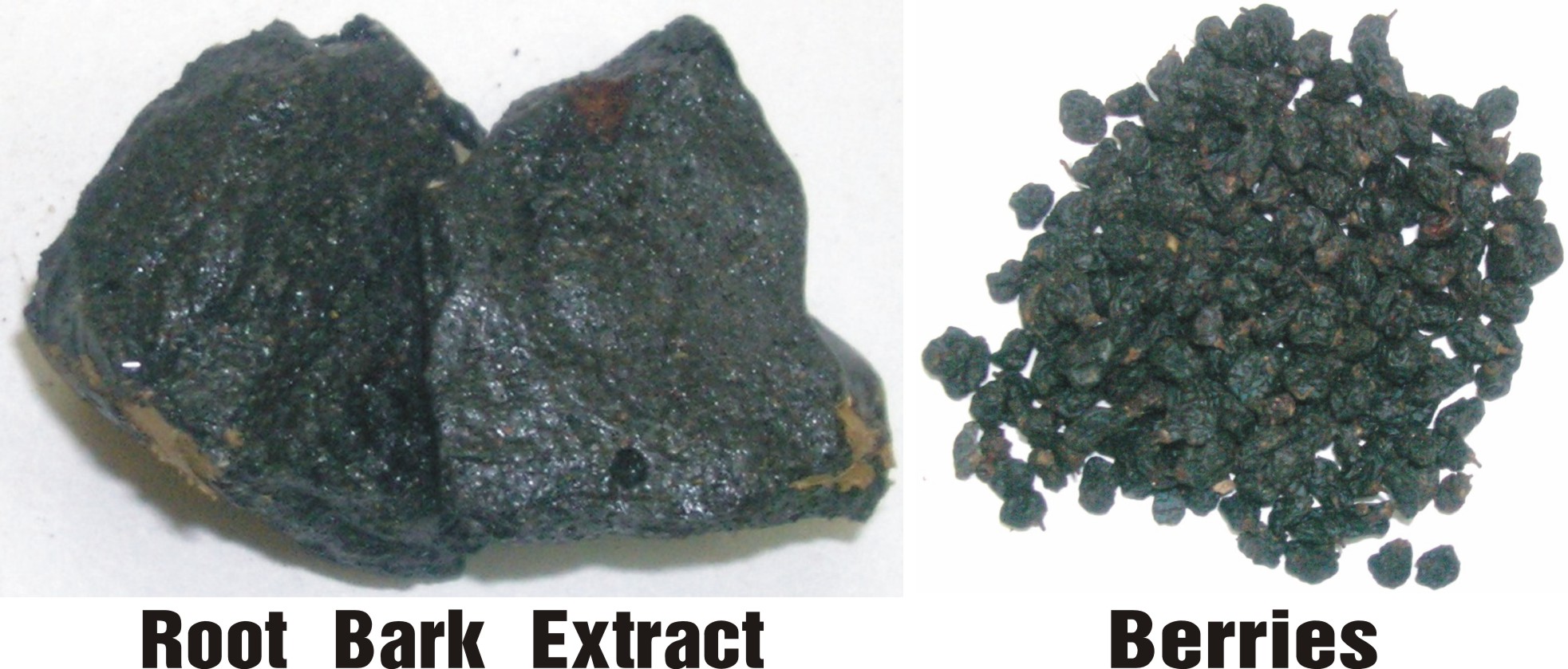
It is regarded as a bitter tonic and is apparently used as a alterative, antibacterial, antibilious, antiemetic, antiinflammatory, antiperiodic, antiseptic, astringent, cholagogue, diaphoretic, diuretic, febrifuge, hypotensive, immune stimulant, laxative, purgative (large dose), refrigerant, sedative and stomachic. The berries (Zarishk) are a source of vitamin C. In various metabolic processes, vitamin C increases immune system activity, stimulates iron absorption, and prevents scurvy. They are useful in biliousness, constipation (larger doses), dyspepsia, cough, fevers, hypertension, indigestion, liver malfunctions, jaundice, hepatitis, sore throat, spleen disorders and typhoid. The berberine in the berries have remarkable infection-fighting properties. Berberine may also fight infection by stimulating the immune system. Studies show that it activates macrophages, the white blood cells that devour harmful microorganisms.
The root bark extract (Rassaut) is alterative, antiperiodic, astringent, deobstruent, diaphoretic, febrifuge, laxative and tonic and is very useful in periodic neuralgia, leucorrhoea, menorrhagia, haemorrhage, haemorrhoids and ulcers. It reduces blood pressure. It is as valuable as quinine in malarial fevers and as a blood purifier.
Recommended Dosage: Root Bark Extract : 500 mg to 3 g powder; Root : 3 to 5 g powder; Berries : 1 g powder.
Contraindication: This herb is not recommended during pregnancy or lactation. Higher doses may interfere with vitamin B metabolism.