 Email :
enquiry@dehlvi.com
 Toll free :
011-42141431
Search for Dealer locator or Dehlvi Approved clinics
Email :
enquiry@dehlvi.com
Toll free :
011-42141431
Search for Dealer locator or Dehlvi Approved clinics



Search for Ingredients :
Arabic Name : Dar Seenee, Qirfa
Bengali Name : Dalchini, Daruchini
Chinese Name : Jou kuei, Gui zhi
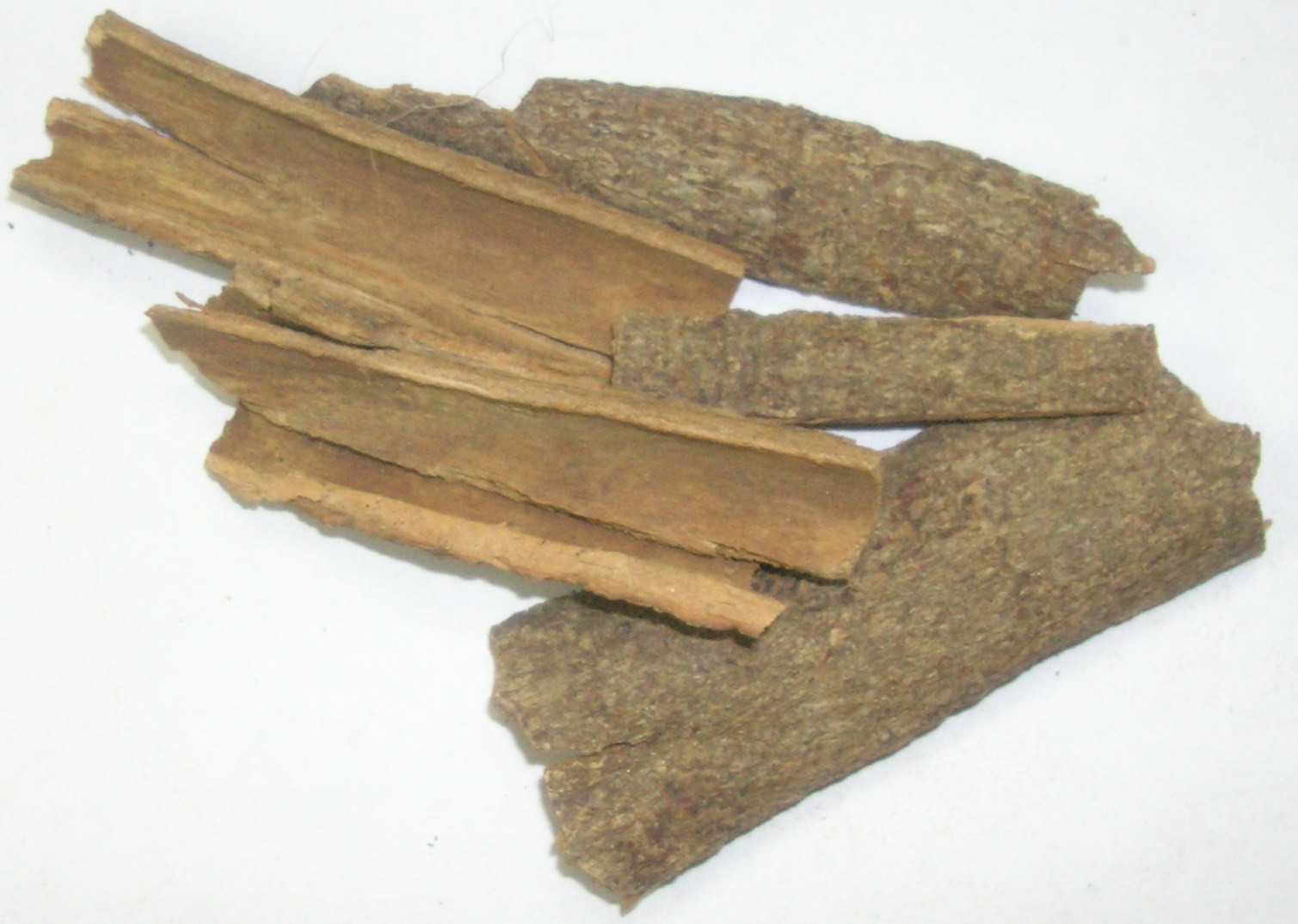
English Name : Cinnamon Bark
French Name : Cannelle
German Name : Ceylon-Zimt, Kaneelbaum
Gujarati Name : Dalchini
Hindi Name : Dalchini, Daruchini, Darchini
Kannada Name : Dalchini
Kashmiri Name : Dalchini, Dalchin
Latin name : Cinnamomum zeylanicum Blume.
Marathi Name : Dalchini
Persian Name : Darchini
Punjabi Name : Dalchini, Darchini
Sanskrit Name : Tvak, Bhringa
Urdu Name : Darchini
Description
Cinnamon is one of the oldest known spices and its use dates back thousands of years to at least 2700 B.C.The bark is acrid, alterative, analgesic, antibacterial, antiemetic, antifungal, antioxidant, antiseptic, antirheumatic, antispasmodic, antiviral, aphrodisiac, aromatic, astringent, bitter, carminative, constipative, cordial, demulcent, diaphoretic, digestive, diuretic, emmenagogue, expectorant, febrifuge, fungistatic, germicide, haemostatic, hepatic, pungent, stimulant, stomachic and sweet. Helps to relieve nausea and vomiting. Japanese research has shown cinnamaldehyde, one of the constituents of cinnamon bark, to be sedative and analgesic. As a powerful stimulant it is beneficial in stomach cramps, gastric irritation and paralysis of the tongue. Powdered cinnamon is useful in diarrhoea and dysentery. As a stimulant to the uterine muscular fibre it is employed in menorrhagia. Also useful in sexual debility and to increase sperm count. Cinnamon is also considered useful for anxiety, depression and mental tension. It induces sweating and helps in relieving fevers.
Massive doses of the decoction of the bark is reported to be used with success for cancer of the stomach, rectum and uterus. It is a good anti-infective agent and is useful in relieving cough due to its soothing action. It is recommended for respiratory ailments such as common cold, sinus congestion, allergic rhinitis and bronchitis. Cinnamon bark is also known to control blood sugar levels in diabetics. United States Department of Agriculture (USDA) researchers have found that cinnamon bark may reduce the amount of insulin required for glucose metabolism. Recent studies have determined that consuming as little as one-half teaspoon of Cinnamon each day may reduce blood sugar, cholesterol and triglyceride levels by as much as 20% in Type-2 diabetes patients who are not taking insulin.
One German study showed that Cinnamon “suppresses completely” the cause of most urinary-tract infections (Escherichia coli bacteria) and the fungus responsible for vaginal yeast infections (Candida albicans). But few could have predicted its current high profile. The researchers then took their surprising discovery and tested it in a small 60 patient study conducted in Pakistan, reported in the journal Diabetes Care. All the patients had been treated for Type-2, adult onset diabetes for several years and were taking antidiabetic drugs to increase their insulin output. But they were not yet taking insulin to help process their blood glucose. The subjects were then given small doses of cinnamon ranging from as little as a quarter teaspoon to less than 2 teaspoons a day for 40 days. The end results then showed that not only did the cinnamon reduce their blood sugar levels and increase their natural production of insulin, but also lowered their blood cholesterol as well. Even 20 days after the cinnamon treatment had ended, the patients continued to see beneficial effects. All the patients in the study showed better glucose metabolism and natural insulin production when they consumed cinnamon capsules. Cinnamon also helps in weight loss, as it is said to influence blood sugar and the way it’s processed, giving body a better chance to break it down in such a way that it doesn’t turn to fat. It is said that abdominal weight is more sensitive to cinnamon’s effects than other body weight. Besides that, it is also reported that a paste made of one part honey to two parts of lukewarm water with a teaspoon of cinnamon will help reduce pain when rubbed into the affected area. Also, experts suggest taking one tablespoon honey and a half teaspoon cinnamon powder before breakfast.----Harpreet Kaur Gill, student, Diploma in Natural Medicine, Malacca College of Complementary Medicine, Melaka, Malaysia.
The oil from the bark is potent antibacterial and antifungal, and also possesses antiseptic, astringent and carminative properties. Externally, the oil is used in rheumatism, joint pains, cramps, neuralgia, toothache and headache.
Recommended Dosage: Bark : 375 mg to 2 g powder; Oil : 1 to 3 drops. For external application only.
Contraindication: If pregnant or breast-feeding do not consume more cinnamon than is normally present in food. Men with prostate problems, diabetics and those taking blood thinners should consult a health care provider before using this herb. This product is not recommended if you have a tendency toward excessive menstrual bleeding. Taking this herb and antibiotics together may make the antibiotic not work for you. Increased heart rate (pulse), feeling dizzy, shortness of breath and redness of the face may occur if you take too much Cinnamon. Undiluted essential oil in their purest state is extremely potent, and should be blended with a carrier oil or other medium prior to use directly on the skin, as the essential oil may cause irritation.