 Email :
enquiry@dehlvi.com
 Toll free :
011-42141431
Search for Dealer locator or Dehlvi Approved clinics
Email :
enquiry@dehlvi.com
Toll free :
011-42141431
Search for Dealer locator or Dehlvi Approved clinics



Search for Ingredients :
Arabic Name : Raawand, Raawand Seenee
Bengali Name : Revanchini, Rheuchini
Chinese Name : Da huang
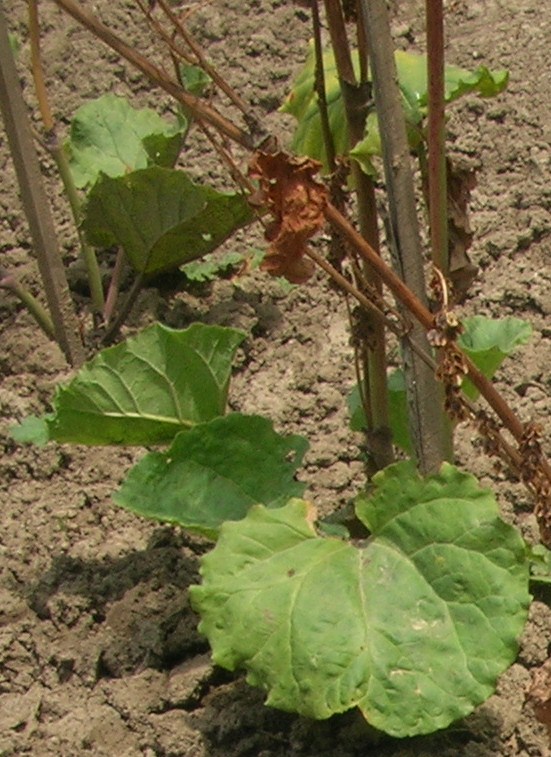
English Name : Indian Rhubarb
German Name : Emodi-Rhabarber
Gujarati Name : Ladakirevandchini
Hindi Name : Rewandchini, Revandchini, Rewanchini
Kannada Name : Revalchini
Latin name : Rheum emodi Wall.
Marathi Name : Ladakirevandchini
Persian Name : Rewand, Bekhe Rewas
Punjabi Name : Revandchini
Sanskrit Name : Amlavetasa
Urdu Name : Rewandchini
Description
Rhubarb root is alterative, anthelmintic, antibiotic, antiinflammatory, antiseptic, antispasmodic, aperient, astringent, bitter, cathartic, cholagogue, diuretic, emmenagogue, haemostatic, laxative, liver stimulant, purgative, sedative, sialagogue, stomachic and tonic. Rhubarb Root has a purgative action for use in the treatment of constipation, but also has an astringent effect too. It, therefore, has a truly cleansing action upon the gut, removing debris and then astringing with antiseptic properties as well. The primary chemical constituents of Rhubarb include anthraquinones, chrysophanol, emodin, physcion, sennidine, rheidine, palmmidine, tannins, catechin, gallic acid, oxalic acid, rutin, phytosterol, and calcium oxalate. It is the anthraquinones that contribute to the laxative and purgative properties of Rhubarb, yet the tannin content helps balance those properties, and even stops diarrhoea. Rhubarb also strengthens the liver and is useful in phlegmatic cough, atonic dyspepsia, cirrhosis, jaundice and oedema. Rhubarb also promotes blood circulation in the pelvic cavity and is, therefore, useful as a treatment for dysmenorrhoea, especially when there is heavy clotting. Also useful in amenorrhoea.
Recommended Dosage: 1 to 3 g powder of dried roots.