 Email :
enquiry@dehlvi.com
 Toll free :
011-42141431
Search for Dealer locator or Dehlvi Approved clinics
Email :
enquiry@dehlvi.com
Toll free :
011-42141431
Search for Dealer locator or Dehlvi Approved clinics



Search for Ingredients :
Arabic Name : Kazbura, Kuzbara, Kusbara, Naqd
Bengali Name : Dhane, Dhania
Chinese Name : Yan shi, Fan yan sui, Yuen sai
English Name : Coriander, Chinese Parsley
French Name : Coriandre, Punaise mâle, Persil arabe
German Name : Koriander, Gartenkoriander, Schwindelkraut, Wandläusekraut
Gujarati Name : Kothmiri, Dhana
Hindi Name : Dhania, Dhanya
Kannada Name : Havija, Kothambari Bija
Kashmiri Name : Dhaniwal, Dhannawal
Latin name : Coriandrum sativum Linn.
Marathi Name : Dhana, Kothimbir, Khotbir
Persian Name : Kishniz
Punjabi Name : Dhania
Sanskrit Name : Dhanyaka, Dhanya, Dhanika, Vitunnaka, Kustumburu
Urdu Name : Dhania, Kishniz
Description
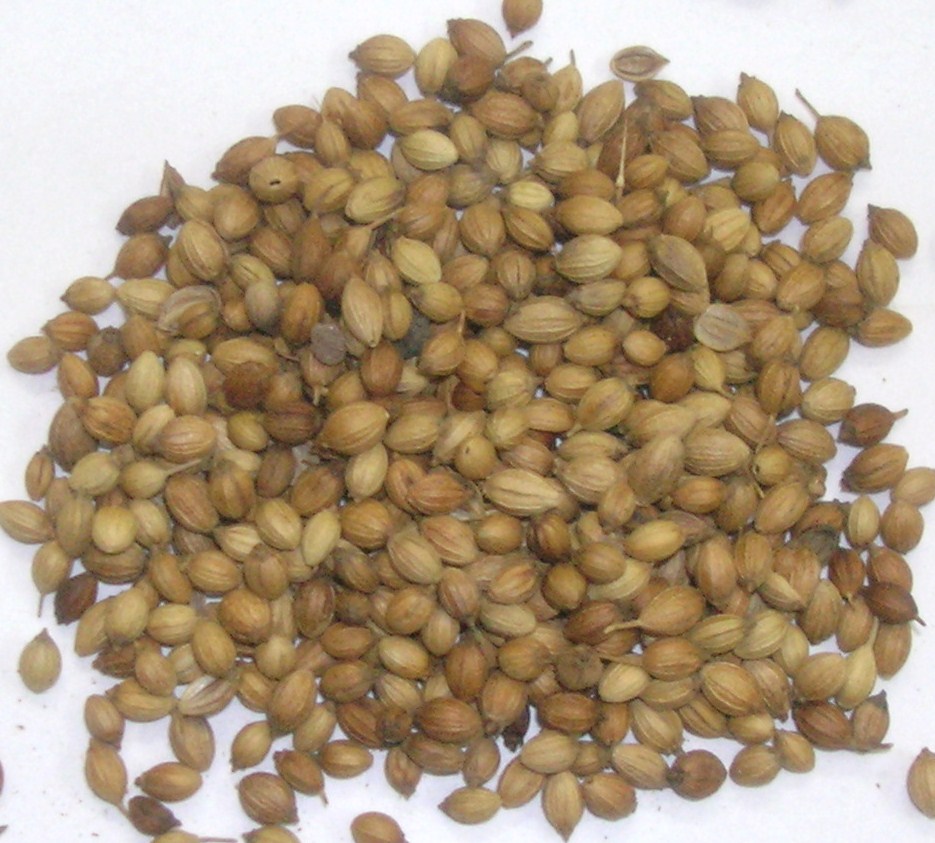
The fruits of coriander are considered alterative, anodyne, anthelmintic, antibacterial, antibilious, antidiabetic, antifungal, antiinflammatory, antioxidant, antispasmodic, aphrodisiac, appetiser, aromatic, astringent, cardiac tonic, carminative, constipative, cordial, diaphoretic, digestive, diuretic, expectorant, nervine, refrigerant, sedative, stimulant, stomachic, styptic and tonic. Humans have been using coriander for its medicinal and culinary properties for at least 7000 years. It is one of the world�s earliest cultivated spices. Coriander contains calcium, phosphorous, iron, few vitamins from Vitamin B-complex group and Vitamin C. This is the reason why it is freely advised in any condition related to avitaminosis. In conditions like scurvy, beriberi, P.ulba and other conditions related to vitamins deficiency the regular use of coriander may help improving condition fast.
It is useful in diabetes, flatulence, colic, sore throat, vertigo, dyspeptic complaints, loss of appetite, jaundice, anxiety and complaints of the upper abdomen. The fruit strengthens the heart and is useful in palpitation. Animal studies in India in 1997 demonstrated that preparations made from coriander seeds could help lower blood cholesterol.
Coriander is also used traditionally for digestive and gastric complaints as well as for cough, chest pains, bladder complaints, leprosy rash, fever, dysentery and halitosis. It is added to laxative formulas to help prevent griping.
There is some speculation that coriander leaf (cilantro) can rid the body of heavy metals, such as lead; further research is needed to examine this theory, however.
Recommended Dosage: 3 to 5 g powder of dried fruits.
Contraindication: Coriander may increase your chance of miscarriage if you are pregnant, or it may cause problems getting pregnant. Before using Coriander, tell your doctor if you are pregnant or plan to become pregnant while using this medicine, or if you are breast feeding or have stomach problems. There have been rare reports of allergic reactions to coriander.