 Email :
enquiry@dehlvi.com
 Toll free :
011-42141431
Search for Dealer locator or Dehlvi Approved clinics
Email :
enquiry@dehlvi.com
Toll free :
011-42141431
Search for Dealer locator or Dehlvi Approved clinics



Search for Ingredients :
Arabic Name : Kurkum, ‘Uqda Safraa
Bengali Name : Halud, Haldi, Pitras
Chinese Name : Jiang huang, Wong geung, Yu chin, Yu jin
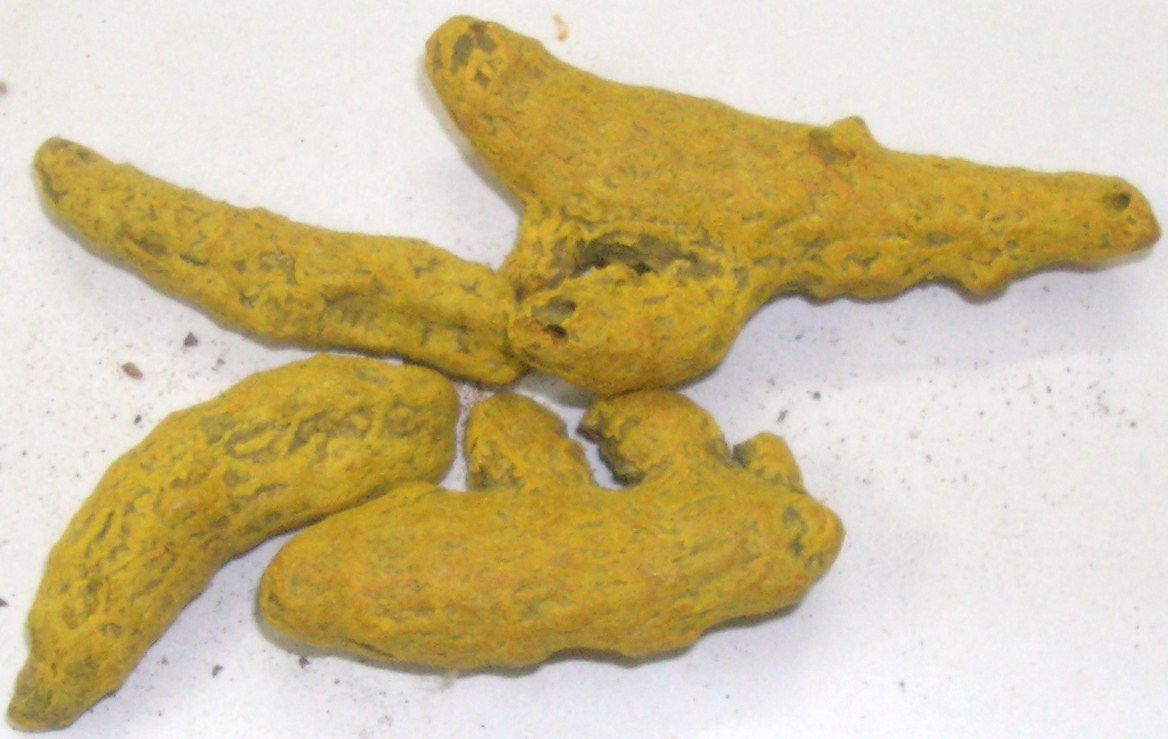
English Name : Turmeric, Curcumin, Indian Saffron
French Name : Curcuma, Safran des Indes, Terre-mérite, Souchet des Indes
German Name : Kurkuma, Gelbwurz
Gujarati Name : Haldi, Haldhar
Hindi Name : Haldi, Halda, Hardi
Kannada Name : Arsin, Arisin
Kashmiri Name : Ledar, Ladhir, Lidar
Latin name : Curcuma longa Linn.
Marathi Name : Halad, Halada, Halede
Persian Name : Darzadi, Zard Chob
Punjabi Name : Haldi, Haldar, Halaj
Sanskrit Name : Haridra, Nisa, Gauri, Rajani
Urdu Name : Haldi
Description
The genus name Curcuma derives from the Arabic kurkum, “saffron,” in reference to turmeric’s saffronlike colour. The rhizome is acrid, alterative, analgesic, anthelmintic, antibacterial, anticoagulant, antifungal, antiinflammatory, antioxidant, antiseptic, antispasmodic, aromatic, astringent, bitter, carminative, cholagogue, circulatory stimulant, emmenagogue, emollient, germicidal, hepatoprotective, hepatotonic, sedative, stimulant, stomachic, thermogenic and tonic. It aids digestion and improves eyesight. It purifies blood by destroying the pathogenic organism. Useful in insomnia, sinusitis, cough, cold and respiratory diseases. The herbs has also been shown to inhibit blood-clotting and help lower blood cholesterol levels. Has a protective action on the stomach. Also useful in ulcers, oedema and anaemia (as it is rich in iron). R.C. Srimal, in Turmeric: A Brief Review of Medicinal Properties, describes the herb as having the ability to protect the liver against toxic substances, especially such heavy metals as lead; to prevent the formation of gallstones or decrease the size of stones already formed; and to increase the flow of bile. Women also appreciate its calming benefits for discomforts experienced during monthly periods. It also regulates menses.
Some studies have demonstrated that turmeric exhibits antiinflammatory properties that are useful in the treatment of both osteoarthritis and rheumatoid arthritis. It is also believed to sensitize the body’s cortisol receptor sites, and its antiinflammatory properties are considered at least equal to those of cortisones. Alcohol extracts of turmeric have been found to reduce blood sugar, which could eventually affect the treatment of diabetes. In addition, clinical trials in China have demonstrated that simply using turmeric as a food seasoning can reduce serum cholesterol levels. The World Health Organization has recommended the use of this spice.
Researchers are examining curcumin as a possible immune system stimulator that can modulate the activation of T cells, B cells, neutrophils, natural killer cells and dendritic cells. It also downregulates various proinflammatory cytokines and enhances antibody responses. According to researches G.C Jaggertia and B.B Aggarwal, the immune enhancing activity of curcuma is beneficial in conditions like arthritis, allergy, asthma, heart disease, diabetes and cancer; hence this proves the ability of turmeric in modulating the immune system. Turmeric is also known to be a powerful antioxidant. Turmeric inhibits the damage done by free radicals, prevents cancer and even reduces the side effects of chemotherapy. Studies in UK have shown that consumption of curry twice a week prevents cancer due to the presence of turmeric in the curry. It prevents and alleviates cancers of the blood, lung, throat and breast, without the side effects of anti-cancer drugs. The antioxidant activity of curcumin is comparable to standard antioxidants like Vitamin C and E. It provides protection against environmental pollution and helps synthesize important vitamins like Vitamin D and adrenal cortex hormones, thus reduces the risks of hypertension, arteriosclerosis and heart diseases. As an antioxidant curcumin neutralizes free radicals, this is especially important in arthritis as the free radicals are responsible for the painful joint inflammation and eventual damage to the joints. In a recent study of patients with rheumatoid arthritis, curcumin was compared to phenylbutazone and produced comparable improvements in shortened duration of morning stiffness, lengthened walking time, and reduced joint swelling. Remarkable anti-carcinogenic effects of turmeric have been demonstrated during all stages of carcinogenesis including initiation, promotion and progression. Some studies also suggest that turmeric can also promote cancer regression. As a potent anticancer pigment, curcumin helps slow the growth of cancer cells, prevent cancer cells from multiplying, improves the immune system response, so that the body can mop up any cancerous cells on its own and decreases the amount of a particular protein that is thought to increase tumor growth. Researches at The University of Texas M.D. Anderson Cancer Center in Houston, Texas, completed a study on curcumin, and its effects upon skin melanomas. The results indicate that curcumin in turmeric has potent anti-proliferation effects; it demonstrated the ability to keep cancer cells from multiplying.---- Sukhpreet Kaur Gill; student, Diploma in Natural Medicine, Malacca College of Complementary Medicine, Melaka, Malaysia
Used externally as an application for bruises, sprains, wounds, swellings, pain of the joints, etc. It minimises the pain and inflammation to any kind of exercise or strenuous activity. Regular use of the oil is said to make the skin soft and smooth. It also gives a glow to the skin and produces a fairer complexion. Turmeric Oil is also prescribed in Indian medicine for various skin ailments where application of the oil regularly is advocated. It is used for spots of pigmentation or blotches that may appear on the skin, and also for diseases like eczema, acne and psoriasis.
Recommended Dosage: 3 to 5 g powder of dried rhizome.
Contraindication: Those taking blood thinners should avoid Turmeric, since it may add to their anticlotting effects. Extended use is not recommended, as it may result in stomach distress. Turmeric is not recommended for persons with biliary tract obstruction, because it stimulates bile secretion. People with congestive heart failure, whose cause remains unidentified, should avoid this herb. Turmeric is not recommended for people with painful gallstones, obstructive jaundice, acute bilious colic or extremely toxic liver disorder. Because Turmeric is a uterine stimulant, pregnant women should avoid it.