Body Disorders


Herbal Supplements


Diseases


Ingredients


read more..

Sindh Healthcare Sdn Bhd
22-1, Jalan MP-10,
Taman Merdeka Permai
75350 Melaka, Malaysia
Email: info@sindhhealth.com

Phone: +606 334 6294

Mobile : + +6012 713 9671.

Email : mir@sindhhealth.com


Ingredient

Search by name:
Search for Ingredients Ingredients List :

Ingredient Name : Mel


Arabic Name : ‘Asal
Chinese Name : Feng mi
English Name : Honey
French Name : Miel
German Name : Honig
Hindi Name : Shahed
Kashmiri Name : Ma’achh
Latin name : Mel
Persian Name : Shahed
Sanskrit Name : Madhu
Urdu Name : Shahed

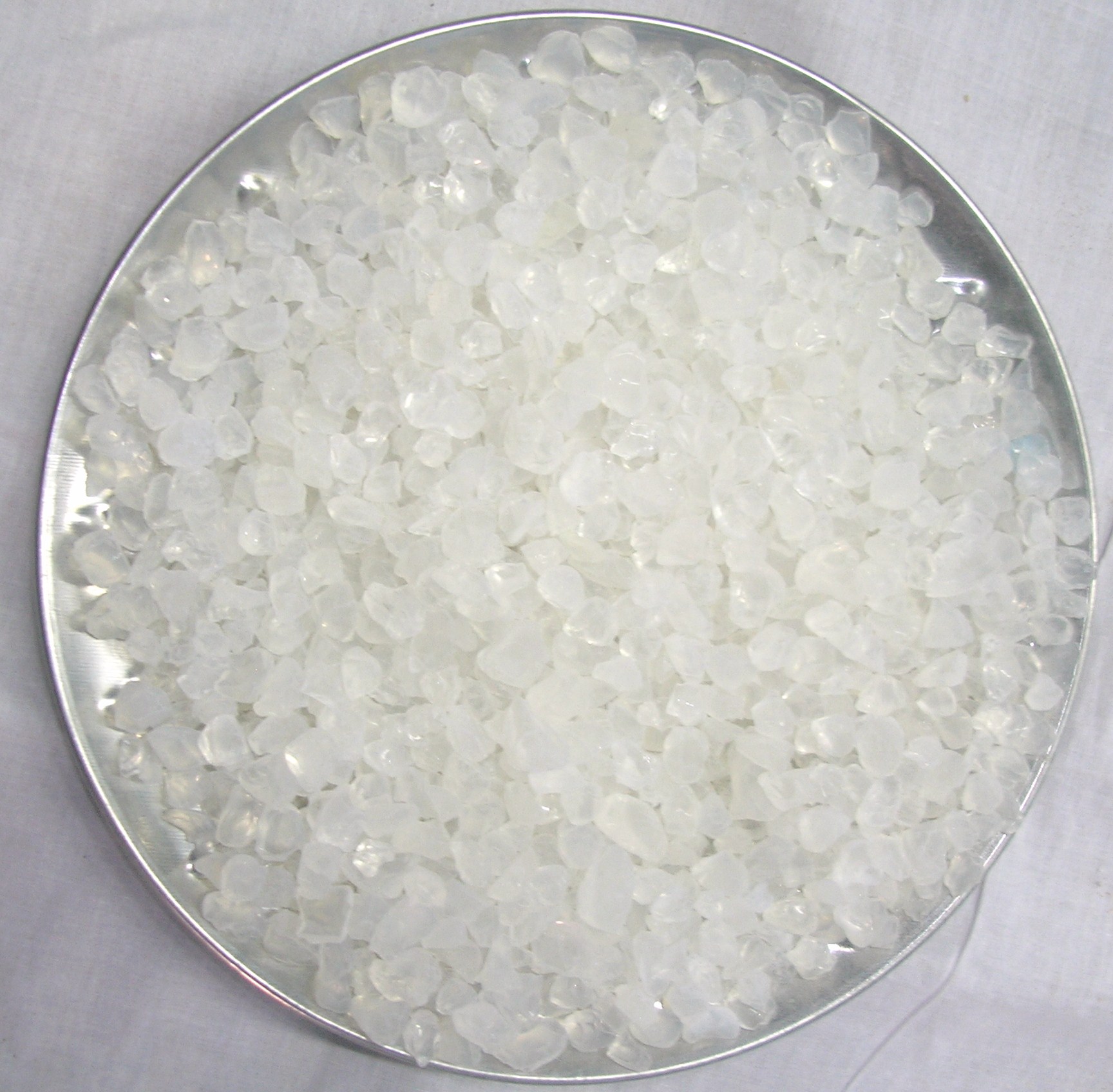
Description: Honey is antiallergenic, antianemic, antibiotic, anticarcinogenic, antifungal, antiinflammatory, antiviral, cell regenerator, expectorant, immune stimulant, laxative and tonic. It is produced by bees from plant nectar (it takes the nectar of one and a half million flowers to make a single jar) and is a mixture of water and two simple sugars: fructose and glucose. The clearer the honey, the higher the proportion of fructose, although honey will almost always granulate if it is kept long enough. Heating it will make it runny again. Honey contains fewer calories than sugar - 288 as opposed to 394 per 100 gm.

Honey still retains its reputation as a remedy for chest complaints, particularly for removing phlegm. It also has antiseptic properties - the Greeks and Romans believed that it could heal wounds - and it is claimed that it acts as a decongestant. It is also an effective treatment for colds, flu, and a generally depressed immune system. Whereas sugar shuts down the immune system, a good quality honey will stimulate it into action. Honey helps to retain calcium in the body.

This golden liquid was prescribed by Hippocrates to treat wounds. It was used as a sedative by early Romans and Greeks, by Egyptians to embalm their dead, and described by Aryans as the legendary ambrosia food of the Greek Gods. The French believed that newlyweds were to have drinks containing honey for 30 days following their wedding, and the word ‘honeymoon’ originated from this custom. In ancient times, honey was a source of sugar and was valued for its medicinal benefits. The medicinal uses of honey are mentioned in the Talmud, the Quran, and ancient Egyptian documents. Modern medicine confirms that honey is an antimicrobial agent as well as a powerful antiseptic that can aid in the healing of wounds and burns. The addition of honey to food helps stimulate digestion and regulate acidity.

Recommended Dosage: 1 to 5 tablespoons.

Contraindication: Honey should not be used by diabetic patients.


Useful in Following diseases


Warning: trim() expects parameter 1 to be string, array given in /home/dehlvi/public_html/function-file.php on line 926
Diseases list not available...
Anaemia Arthritis Asthma
Bronchitis Common Cold Cough
Fevers Flu Hyperacidity
Sore Throat Weakness of Digestive System Wounds


  Content Copyright © All Right Reserved. Dehlvi Designed By Weblinkindia.net - Web Design India.