Body Disorders


Herbal Supplements


Diseases


Ingredients


read more..

Sindh Healthcare Sdn Bhd
22-1, Jalan MP-10,
Taman Merdeka Permai
75350 Melaka, Malaysia
Email: info@sindhhealth.com

Phone: +606 334 6294

Mobile : + +6012 713 9671.

Email : mir@sindhhealth.com


Ingredient

Search by name:
Search for Ingredients Ingredients List :

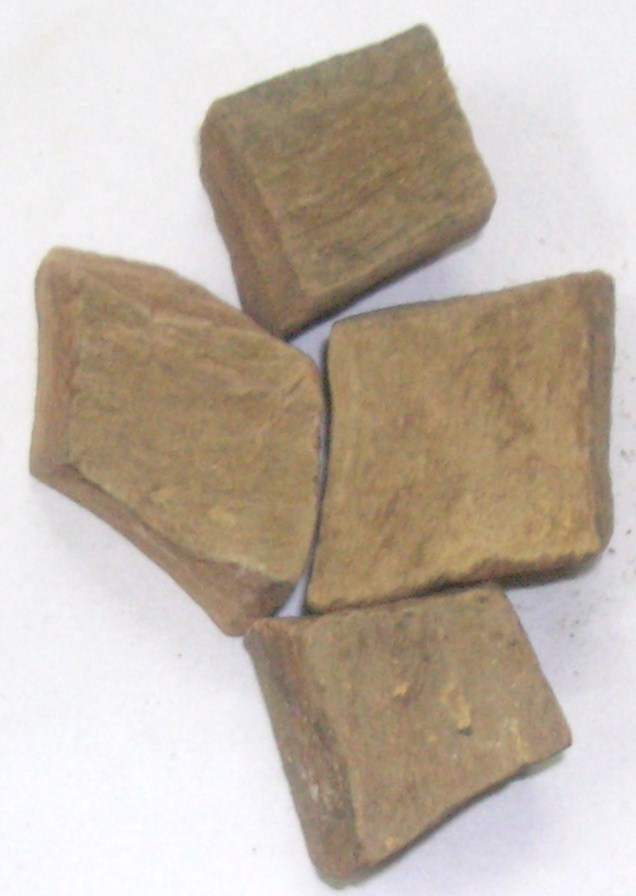
Ingredient Name : Terminalia arjuna Roxb.


Bengali Name : Arjun Gach
Chinese Name : San guo mu
English Name : Arjuna Myrobalan, White Murdah
German Name : Arjunbaum
Gujarati Name : Arjun
Hindi Name : Arjuna, Koha
Kannada Name : Matri
Latin name : Terminalia arjuna Roxb.
Marathi Name : Arjun, Arjun Sadra
Punjabi Name : Arjon
Sanskrit Name : Arjuna, Kukubha
Urdu Name : Arjun

Description: The bark is alterative, anthelmintic, astringent, cardiotonic, cooling, demulcent, expectorant, ferbrifuge, haemostatic, rejuvenative, styptic and tonic. It is a unique herb that helps maintain a healthy heart and reduces the effects of stress and nervousness. The bark has been used in Indian Herbal medicine for at least 3000 years. Arjuna promotes effective cardiac functioning and regulates blood pressure. Arjuna has been the herb of choice in Ayurveda for cardiovascular health. Arjuna’s ability to suppress the blood’s absorption of lipids indicates that it has cholesterol-regulating properties. Its principal constituents are b-sitosterol, ellagic acid and arjunic acid. It has also been found to be rich in Co-enzyme Q-10 which is highly prescribed in cardiology departments now a days to prevent heart problems. High amounts of Co-enzyme Q-10 prevents incident of heart attacks. It’s been shown to help reverse hardening of the arteries.

The bark is useful as an anti-ischemic and cardioprotective agent in hypertension and in ischemic heart disease, especially in disturbed cardiac rhythm, angina or myocardial infarction. It also possesses diuretic and has a general tonic effect in cases of cirrhosis of the liver due to increase in blood supply and proper functioning of the heart. It is a natural rich source of calcium and iron, which get naturally absorbed by the body without producing any side effect.

It induces a drug-dependent decrease in blood pressure and heart rate. It has been reported to possess protective cardiovascular and hypolipidemic properties. It reduces the level of triglycerides and cholesterol and has been reported to enhance the synthesis of LDL-apoprotein. It inhibits the oxidation of LDL and accelerates the turnover of LDL-cholesterol in liver. This enhances the elimination of cholesterol from the body. The suppression of hepatic cholesterol biosynthesis by Arjuna is the mechanism responsible for a significant lowering of beta-lipoproteins-lipids and the recovery of HDL components in hyperlipidemia. In a study on the efficacy of the bark powder in treating congestive cardiac failure (CCF), over 40% of the cases showed marked improvement. CCF due to congenital anomaly of heart and valve disease was also brought under control. 4 out of 9 cases of CCF due to chronic bronchitis were also relieved by the treatment.

Arjuna is also known to relieve symptomatic complaints of essential hypertension viz. giddiness, insomnia, lassitude, headache and the inability to concentrate. Oral administration of an aqueous suspension of the bark powder reduces coagulation, bleeding and prothrombin time.

In Jaipur, India researchers compared the effects of Arjuna tree bark with the heart-health benefits of vitamin E in a study published in The Journal of the Association of Physicians of India (February 2001). In the one-month study, researchers reviewed 105 patients with coronary heart disease, none of whom were on lipid-lowering drugs. At baseline, total cholesterol, triglycerides, lipid peroxidation and HDL and LDL cholesterol were measured. Divided into 3 groups, group 1 received a placebo, group 2 received 400 IU of vitamin E per day and group 3 received 500 mg of finely pulverised Arjuna bark powder. No significant changes were found in the placebo or vitamin E groups for total, HDL and LDL cholesterol levels, nor in triglyceride levels. However, in the tree bark group, total and LDL cholesterol were significantly lowered. Notably, lipid peroxidation decreased most significantly in the vitamin E users. The researchers concluded that Arjuna tree bark powder proved to have significant cholesterol lowering effect.

Recommended Dosage: 3 to 6 g powder of bark.

Contraindication: This herb has no known warnings or contraindications.


  Content Copyright © All Right Reserved. Dehlvi Designed By Weblinkindia.net - Web Design India.